
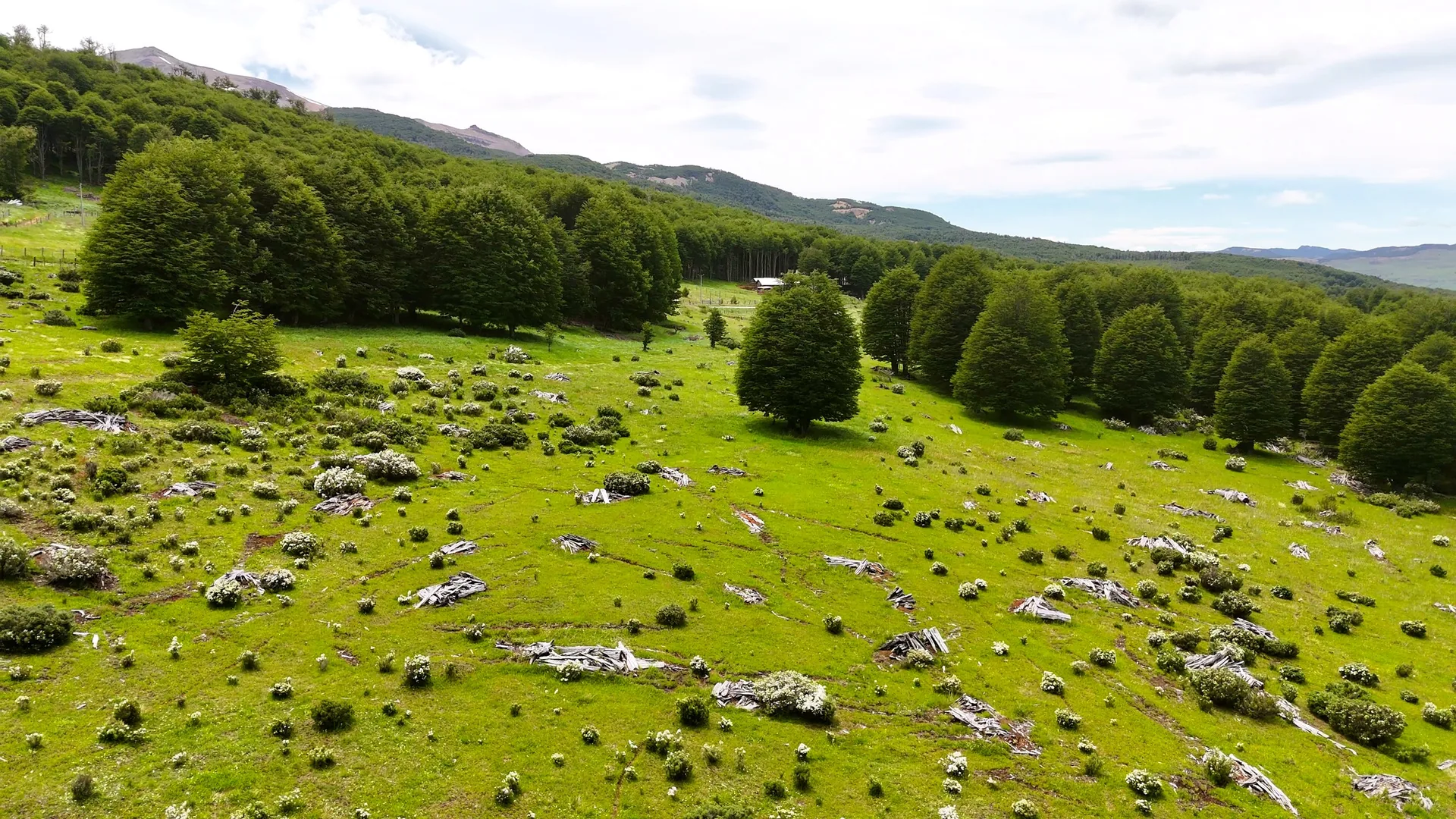
A piece of land on a river, with mountains all around and room to build at your own pace: that is what leads many people to look into how to buy land in Patagonia, Chile. To make sure the dream rests on solid ground, it pays to understand the rules before you sign.
Using official sources, this guide explains what a rural plot (parcela) is under Chilean law, what "rol propio" means, which documents to check, whether foreigners can buy land in Chile, and which legal changes are under discussion.
What a parcela is: Decree Law 3.516 and the 0.5-hectare rule
Outside urban limits, rural properties are subdivided under Decree Law 3.516 of 1980. Each resulting lot must have at least 0.5 physical hectares (5,000 m²), except for the exceptions set out in the law itself.
- The SAG (Agriculture and Livestock Service) certifies that the subdivision project complies. That certificate does not complete the subdivision: it then has to be registered with the municipality's Real Estate Registrar (Conservador de Bienes Raíces, CBR).
- SAG Exempt Resolution No. 4.788/2024 sets the procedure and the requirements for the plan. The SAG has 20 working days from the moment the application is "ready to be decided".
- In Coquimbo, O'Higgins, Maule, Ñuble, Biobío, Los Ríos and Los Lagos, applications can only be filed through SAG-authorised third parties.
- The land must keep its agricultural, livestock or forestry use.
Decree Law 3.516 also prohibits changing the use of the lots, under articles 55 and 56 of the General Law of Urban Planning and Construction (LGUC). Building a home in a rural area is governed by article 55 LGUC. Since 2022 the SAG has reviewed subdivisions more strictly, and the Supreme Court has ruled both ways: in December 2025 it upheld the rejection of a subdivision in Los Lagos, and in February 2026 it upheld a SAG certificate issued in line with the decree.
What "rol propio" means
The rol de avalúo is the tax roll number the Internal Revenue Service (SII) uses to identify each property. When land is subdivided, the lots come from the parent roll number (rol matriz). Until the SII assigns a number to each lot, there is a "Certificate of Assignment of Tax Roll Numbers in Process" (rol en trámite). At the first sale, the notary checks that the provisional number matches.
"Rol propio" is a market term, not one defined by the SII. It describes a lot that already has its own tax roll number, as opposed to one still under the parent roll or with a number in process. With that number you can request the tax valuation certificate from the SII, which shows the property's registered use.
Document checklist before buying land
- Current title certificate (certificado de dominio vigente, CBR): confirms the registered owner and whether the seller owns the whole property or only rights or a share.
- Certificate of mortgages, encumbrances and prohibitions (CBR): shows easements, mortgages, liens and prohibitions. It is usually requested less than 60 days old.
- 10-year title search by a lawyer. This is standard practice for banks.
- SAG certificate and subdivision plan filed at the CBR. Check that the lot has at least 0.5 ha and access to a public road or a registered right of way.
- Tax roll number and tax valuation certificate (SII), and confirm that property taxes are up to date.
- Water rights. The Water Code reform (Law 21.435, 6 April 2022) requires water use rights to be registered with the CBR and with the Public Water Registry of the DGA (Water Directorate). DGA Aysén warns that failing to register with the CBR is penalised with the loss of the right; Law 21.586 extended the registration deadlines. If the plot comes with water rights, ask for their registration and the encumbrance certificate for those waters.
- Electricity feasibility. In Aysén the distributor is Edelaysen (Saesa Group). Ask for a feasibility certificate for the lot; other distributors request coordinates or a KMZ file.
- Building feasibility. Check with the Municipal Works Department and the local land-use plan.
The Water Code has a special rule for wells used for drinking and domestic purposes. If the property will rely on a well, review its status with your lawyer or the DGA before buying.
Can foreigners buy land in Chile?
Yes. Foreigners can buy property in Chile without residency or a visa. What they need is a RUT (tax ID number) from the SII. A non-resident usually applies through a representative domiciled in Chile, using form F4415. The sale is signed as a public deed before a notary and registered with the CBR. According to secondary sources, if the property generates income, a non-resident must have a tax representative and pays the Additional Tax (Impuesto Adicional).
Border zones: Decree Law 1.939
Article 7 of Decree Law 1.939 prohibits nationals of neighbouring countries (Argentina, Bolivia and Peru) from acquiring ownership or other property rights, or holding possession or tenancy, of real estate located wholly or partly in declared border zones. The ban also covers companies headquartered in those countries, with 40% or more of their capital held by their nationals, or controlled by them. The President may authorise exceptions by individual supreme decree.
- For buyers from other countries, such as the United States or Europe, article 7 does not apply.
- Article 6 reserves state-owned land within 10 km of the border for Chileans. It refers to state land, not to sales between private parties.
- Notaries ask for a sworn statement of nationality and place of birth, and Registrars may refuse to register a sale if it is not shown that the ban does not apply.
If you are from a neighbouring country, check with DIFROL (the border directorate) or the relevant CBR whether the property's municipality is a declared border zone.
The rural subdivision bill
A bill is going through Congress that seeks to restrict residential use of 0.5-hectare lots and to create a new category of "rural residential complexes", according to the Ministry of Housing (Minvu). As it may move forward, check its status on camara.cl or senado.cl before you buy, and ask your lawyer how it could affect the land you are considering.
Frequently asked questions
What is the minimum plot size in rural Chile?
Under Decree Law 3.516, each lot in a rural subdivision must have at least 0.5 physical hectares (5,000 m²), except for the exceptions in the law.
Rol propio or rol en trámite: what is the difference?
A lot with rol propio already has its own tax roll number from the SII, so you can request its tax valuation certificate. With rol en trámite, the lot still depends on the parent roll.
Do foreigners need residency to buy land in Chile?
No. They need a RUT from the SII. Only nationals of neighbouring countries face restrictions, and only in declared border zones.
Which document shows easements?
The certificate of mortgages, encumbrances and prohibitions issued by the Real Estate Registrar.
Plots with their own tax roll number in Aysén
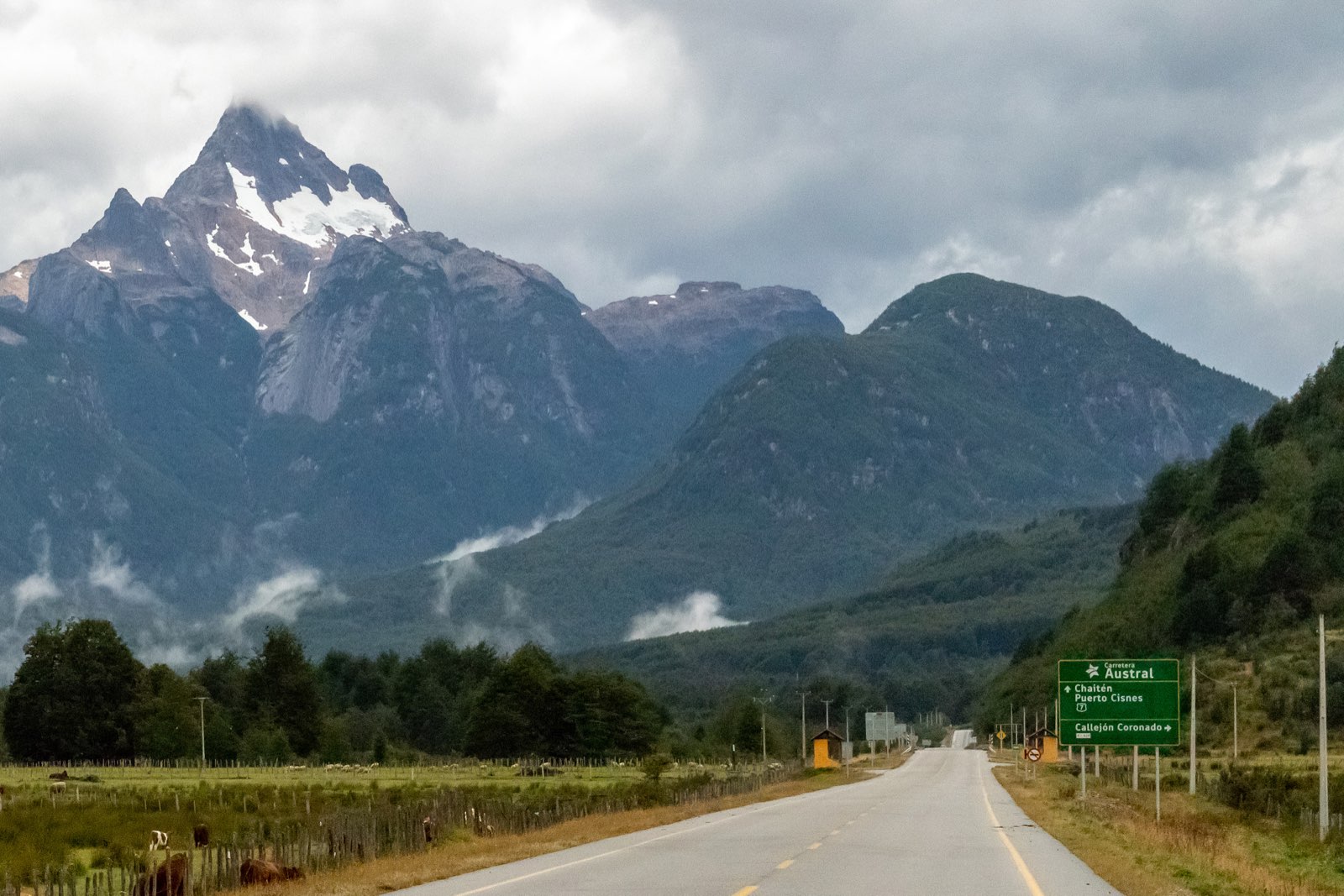
Inmobiliaria El Roble sells plots with rol propio and direct financing. In Aysén we have Horizontes de Mañihuales: 4 plots of 0.53 to 1 ha on the Mañihuales River, with access via a right of way and electricity feasibility (3 of 4 available), and Parcelas Don Guillermo, on the Emperador Guillermo River, right on the Carretera Austral, where 1 plot remains. See all our projects or get in touch. If you are still deciding, read our guides to living in Coyhaique and how to get to Coyhaique.
This guide is for information only and does not replace advice from a lawyer.
Sources
- SAG, land subdivision, undated
- ChileAtiende, rural subdivision certification, undated
- BCN, Decree Law 3.516, undated
- Diario Constitucional, 20 Feb 2026
- Minvu, protecting rural land and life, undated
- SII, Circular 47, 2017
- T13, 14 Feb 2024
- ChileAtiende, mortgages and encumbrances certificate, undated
- BICE Hipotecaria, title search documents, 2023
- DGA / MOP, Water Code reform implementation, 2022
- Law 21.586, 2023
- SII, obtaining a RUT, undated
- SII, form F4415, undated
- NSS, 2026 guide for foreign buyers
- Decree Law 1.939, article 7, undated
- Comptroller General, Opinion 75768, 2015
- Águila & Cía, September 2026